AC & Cooling
How Often Should You Service Your AC in New Hampshire?
How often to service your AC in New Hampshire: once a year for central air, twice for mini-split heat pumps. Spring timing, filters, and why it matters.
In This Article
How Often Should You Service Your AC in New Hampshire?
If you own a home in New Hampshire, you already know our summers are short but they do not mess around. A few brutal heat waves in July and August can push your air conditioning hard, and a system that sat quiet all winter does not always wake up ready to perform. So how often service AC is a fair question, and the honest answer is once a year for most homes, with a few situations where twice makes sense.
Below is what that actually looks like for a New Hampshire home, why it matters here specifically, and what you can handle yourself between visits.
The Short Answer: Once a Year, Before Summer
For a standard central air system, service it once a year. The best time is spring, ideally April or May, before the first real heat wave hits. You want the system checked and tuned while the weather is still mild so you are not waiting on a technician during a 90 degree stretch when every HVAC company in the state is slammed.
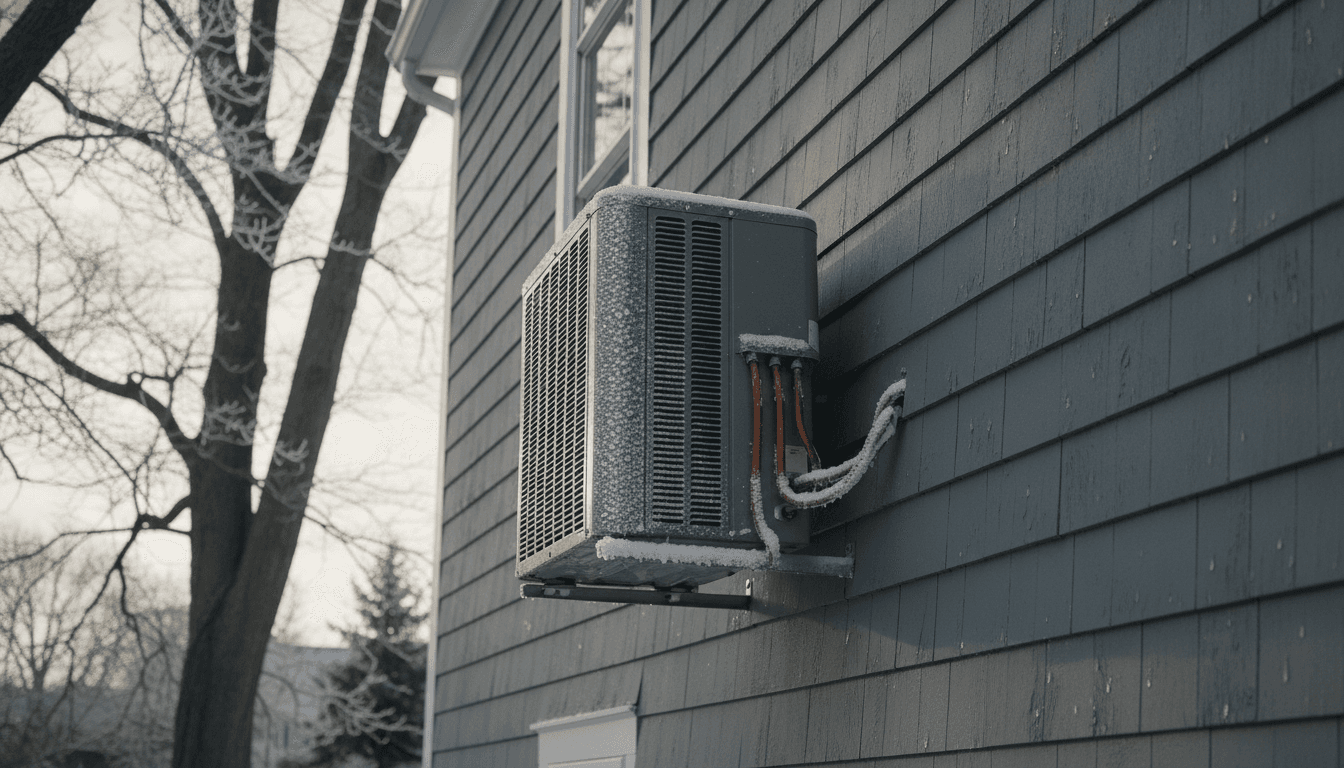
Spring timing matters more here than in warmer states. In New Hampshire your AC sits unused for roughly seven or eight months. Refrigerant levels can drift, electrical connections loosen over winter, and small animals love to nest in outdoor condenser units during the cold months. A spring tune-up catches all of that before you flip the system on.
Why Mini-Split Heat Pumps Need Twice a Year
If you heat and cool with mini-split heat pumps, the math changes. A heat pump runs in both seasons, so it logs far more hours than a central AC unit that only works in summer. That extra runtime means you should service these systems twice a year, once in spring for cooling and once in fall for heating.
Heat pumps have become extremely common across New Hampshire as homeowners move away from oil and propane. They are efficient and they work well in our climate, but they earn their keep by running nearly year round. Two visits a year keeps the coils clean, the refrigerant correct, and the defrost cycle working the way it should when temperatures drop.
What a Real Tune-Up Includes
A proper service visit is more than a quick look. A good technician from a local heating and HVAC company should check refrigerant charge, test the capacitor and electrical connections, clean the condenser and evaporator coils, inspect the condensate drain, and verify the system is cooling to the right temperature split.
On a central system they will also look at the blower and ductwork. On a mini-split they clean the indoor head and the filters, which collect a surprising amount of dust and pet hair. None of this is glamorous, but it is the difference between a system that lasts fifteen years and one that quits in year eight.
Why Annual Service Actually Matters Here
It is tempting to skip service when the unit seems fine. Here is why that backfires in New Hampshire specifically.
Our cooling season is compressed. You might only run the AC hard for six or eight weeks total, but those weeks include the exact days you cannot stand to lose it. When a heat wave parks over the state and humidity climbs, a neglected system is far more likely to fail right when you need it most, and that is also when service calls back up for days.
Annual service also protects your warranty. Most manufacturers require documented yearly maintenance to honor their coverage, so skipping it can quietly void the protection you paid for. And a tuned system uses less electricity, which matters given what we pay for power up here.
Small problems also stay small. A weak capacitor caught in spring is a cheap part. The same capacitor that fails in July can take the compressor with it, and a compressor is one of the most expensive repairs on the whole system.
Filters: The One Job That Is On You
Between professional visits, the single most important thing you can do is change or clean your filters. This is the most common reason systems struggle, and it is entirely preventable.
For central air, check the filter monthly during cooling season and replace it every one to three months. Homes with pets or allergies lean toward the shorter end. A clogged filter chokes airflow, makes the system work harder, and can freeze the evaporator coil on a humid day.
For mini-splits, pop open the indoor head and rinse the reusable filters. Do this every few weeks while you are running them. It takes five minutes and keeps both the airflow and the air quality where they should be.
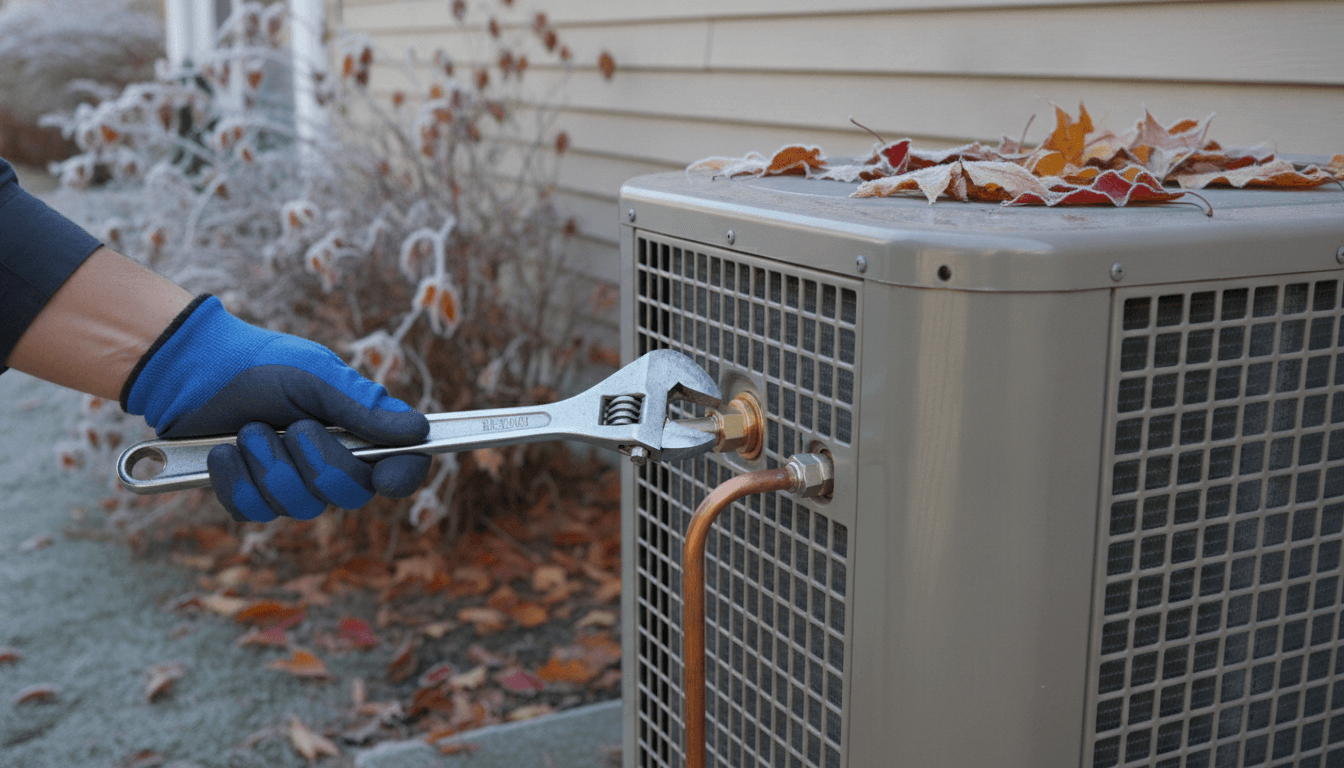
Also keep the outdoor condenser clear. Trim back grass and shrubs, and after our long winters, clear out leaves and debris that collected around the unit. It needs open airflow on all sides to dump heat properly.
Signs You Should Call Sooner
Do not wait for your scheduled visit if you notice warning signs. Weak airflow, warm air coming from the vents, strange smells, hissing or grinding noises, water pooling near the indoor unit, or a sudden jump in your electric bill all point to a problem. Catching these early almost always costs less than waiting for a full breakdown.
If your system is more than ten years old and needs a significant repair, it is also worth asking a technician whether replacement makes more sense, especially since newer heat pumps are far more efficient than older central units.
The Takeaway
For most New Hampshire homes, service your central AC once a year in spring, and service mini-split heat pumps twice a year because they run in both seasons. Book early so you are ready before the first heat wave instead of waiting in line during one. Change your filters on schedule, keep the outdoor unit clear, and call sooner if something seems off. A little maintenance each year is cheap insurance for the few intense weeks when you really need cool air, and it keeps an expensive system running for as long as possible.