AC & Cooling
How to Keep Your New Hampshire Home Cool This Summer (2026)
Practical ways to keep your New Hampshire home cool in 2026, from free fixes to mini-split heat pumps, attic upgrades, and humidity control.
In This Article
How to Keep Your New Hampshire Home Cool This Summer (2026)
New Hampshire summers used to be mild enough that you could get by with a box fan and an open window. That has changed. Humid heat waves now roll in for days at a time, and a lot of our housing stock was never built with cooling in mind. If you live in an older colonial, a cape, or a farmhouse, you already know the problem. There is no central air, the upstairs bakes by mid-afternoon, and the electric bill creeps up every time you try to fight it.
This guide covers how to keep house cool without overhauling your whole home. Some of it is free. Some of it is worth a real investment. All of it works in our climate.
Start With the Free Stuff: Air, Shade, and Timing
Before you spend a dollar, work the basics. They matter more than people think.
Open your house up at night and shut it down in the morning. New Hampshire still cools off after dark most nights, even during a heat wave. Open windows on opposite sides of the house once the outside temperature drops below the inside temperature, and let the cooler air flush through. Then close the windows and pull the shades before 9 a.m. to trap that cool air inside.
Shade is your best friend. South and west-facing windows let in the most heat in the afternoon. Cellular shades, blackout curtains, or even cheap reflective film cut that gain dramatically. Outside, awnings or a strategically placed tree do even more because they stop the heat before it hits the glass.
Mind your heat sources. Run the dishwasher and dryer at night. Cook outside on the grill during the worst stretches. Swap to LED bulbs if you still have anything that runs hot.
Use Ceiling Fans and Window Units the Smart Way
Ceiling fans do not lower the temperature. They move air across your skin so you feel cooler, which lets you set any AC a few degrees higher. Make sure they spin counterclockwise in summer so they push air down. Turn them off in empty rooms, because running them with nobody there just wastes power.
Window units are still the workhorse of New Hampshire cooling. The trick is to size them right and not oversize. An oversized unit cools fast, shuts off, and leaves the room clammy because it never runs long enough to pull humidity out. Buy for the square footage of the room you actually want to cool, seal the side panels well, and clean the filter every couple of weeks. A dirty filter can cut efficiency by a noticeable chunk and drive your bill up.
If you only have a couple of units, cool the rooms you live in. Close off the guest room and the rooms you do not use during the day.
Consider a Ductless Mini-Split Heat Pump
If you are tired of hauling window units in and out every year, this is the upgrade most New Hampshire homeowners should look at first.
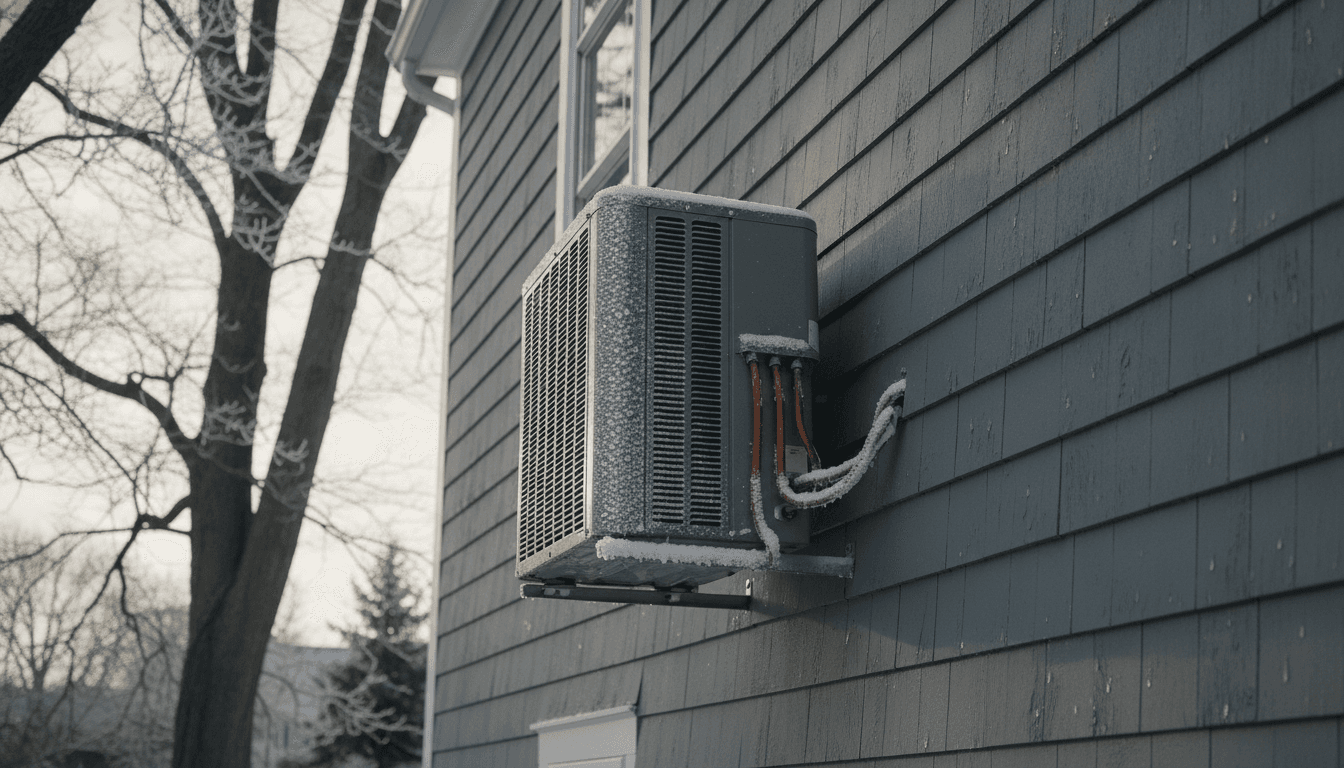
A ductless mini-split heat pump mounts on the wall, runs quiet, and cools far more efficiently than window units. You can zone it, so you cool the bedrooms at night and the living areas during the day without paying to cool the whole house. For older homes with no ductwork, it is usually cheaper and less invasive than installing central air.
Here is the part people miss. A cold-climate heat pump does double duty. The same unit that cools you in July heats you in the shoulder seasons and well into the cold, often more cheaply than oil or propane. You are not buying a summer-only appliance. You are buying year-round comfort, and that changes the math on the cost.
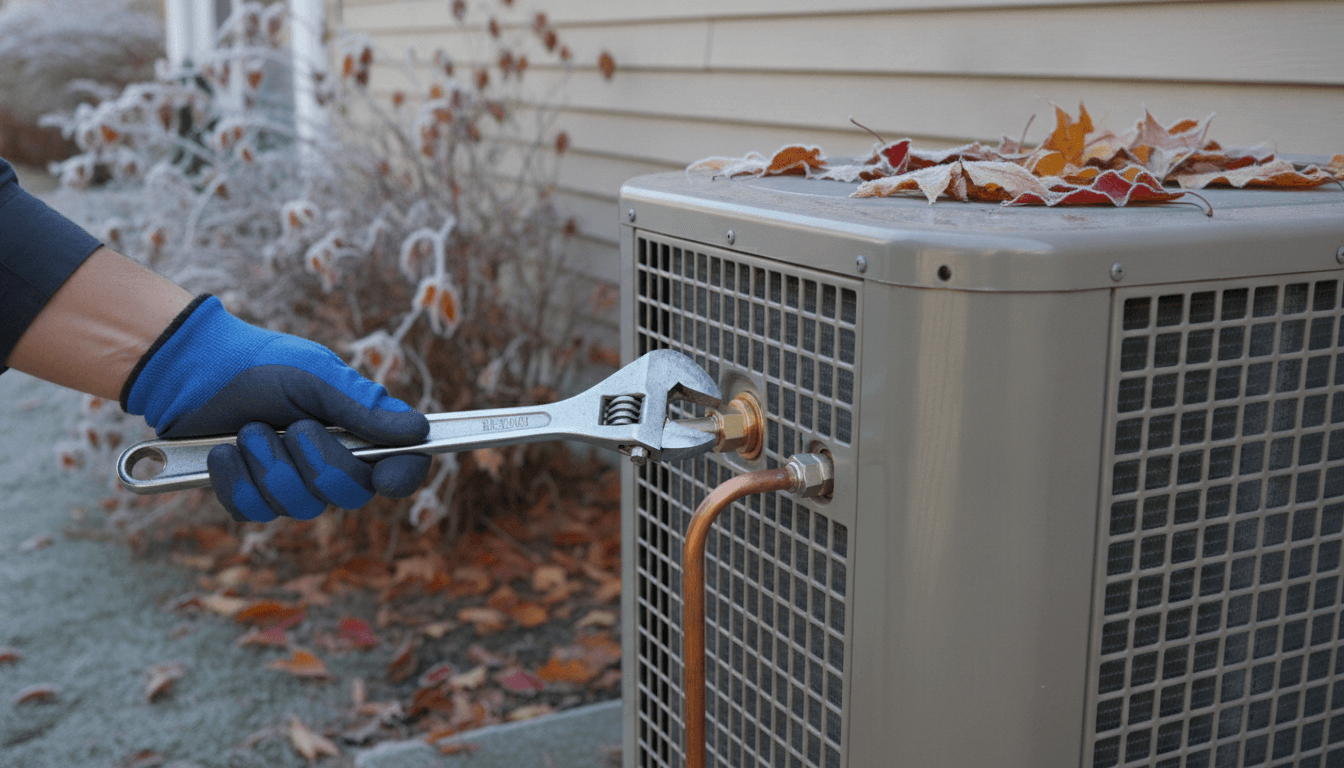
There are usually rebates available in New Hampshire for qualifying high-efficiency heat pumps, so ask any installer about current incentives before you sign anything. A licensed pro can size the system and tell you how many heads your home actually needs. If you want to compare options, start with local heating and HVAC pros who install and service these systems every day.
Do Not Forget the Attic
You can run all the cooling you want, but if your attic is baking, the heat soaks down into your living space all evening. This is one of the most overlooked fixes in our older homes.
Two things matter up there. Insulation and ventilation. Good attic insulation keeps that radiant heat from pushing down into your bedrooms. Proper ventilation, with soffit and ridge vents working together, lets the hot air escape instead of building into a 130-degree oven over your head. An attic that is sealed and vented correctly can knock real degrees off your second floor and take a load off whatever cooling you run.
If your upstairs is always 10 degrees hotter than downstairs, the attic is usually the reason. Fixing it pays off in winter too, because the same air sealing keeps heat in when it is cold.
Manage Humidity, Not Just Temperature
In New Hampshire, the humidity is what makes a heat wave miserable. Seventy-eight degrees feels fine when the air is dry and sticky and awful when it is not.
A dehumidifier in a damp basement or a stuffy main floor can make the whole house feel cooler without touching the thermostat. Heat pumps and right-sized AC units pull humidity out as they run, which is another reason not to oversize. Drier air feels cooler, and you can set everything a notch warmer and still be comfortable.
The Takeaway
Start with the free moves. Flush the house with cool night air, shade your windows, and run heat-making appliances after dark. Get your window units or ceiling fans dialed in, and stop cooling rooms nobody uses. Then look at the bigger wins. A ductless mini-split heat pump cools efficiently and heats you the rest of the year, and a properly insulated, vented attic stops the heat before it reaches you. Tackle it in that order and you will stay comfortable through the worst of summer without dreading the bill.