AC & Cooling
Why Is My AC Not Cooling? A New Hampshire Homeowner's Guide
AC not cooling in the NH heat? Check filters, thermostat, breakers, frozen coils, and the condenser, plus when to call an HVAC pro.
In This Article
Why Is My AC Not Cooling? A New Hampshire Homeowner's Guide
It's late July, the humidity is sitting heavy over the Merrimack Valley, and your air conditioner is running but the house just won't cool down. If your AC not cooling is turning a normal summer day into a sweaty mess, you're not alone. New Hampshire summers can swing from comfortable to oppressive fast, and that's exactly when cooling systems get pushed hard and start to fail.
The good news is that a lot of cooling problems have simple causes you can check yourself. Let's walk through the most common reasons your AC isn't keeping up, what you can fix on your own, and when it's time to call in help.
Start With the Filter
A dirty air filter is the number one reason for an AC not cooling well. When the filter clogs with dust, pet hair, and pollen, airflow drops. Your system works harder, cools less, and can even freeze up.
Pull the filter out and hold it up to the light. If you can't see through it, replace it. During heavy summer use, check it every month. This is a five-dollar fix that solves a surprising number of complaints.
Check Your Thermostat
Before you assume the worst, look at the thermostat. Make sure it's set to "cool" and not just "fan." The fan setting blows air without actually cooling it, which fools a lot of people.
Set the temperature a few degrees below the current room reading and listen for the system to kick on. If you have a programmable or smart thermostat, check that a schedule isn't quietly raising the setpoint during the day. Dead batteries in the thermostat can also stop the whole system, so swap those if it's been a year or two.
Look for a Tripped Breaker
If your AC won't turn on at all, head to the electrical panel. Central systems usually run on two breakers, one for the indoor unit and one for the outdoor condenser. A breaker that has tripped will sit in the middle position.
Flip it fully off, then back on. If it trips again right away, stop. That's a sign of an electrical problem you don't want to keep forcing. Leave it off and call a professional.
Frozen Coils Are Common in Humid Weather
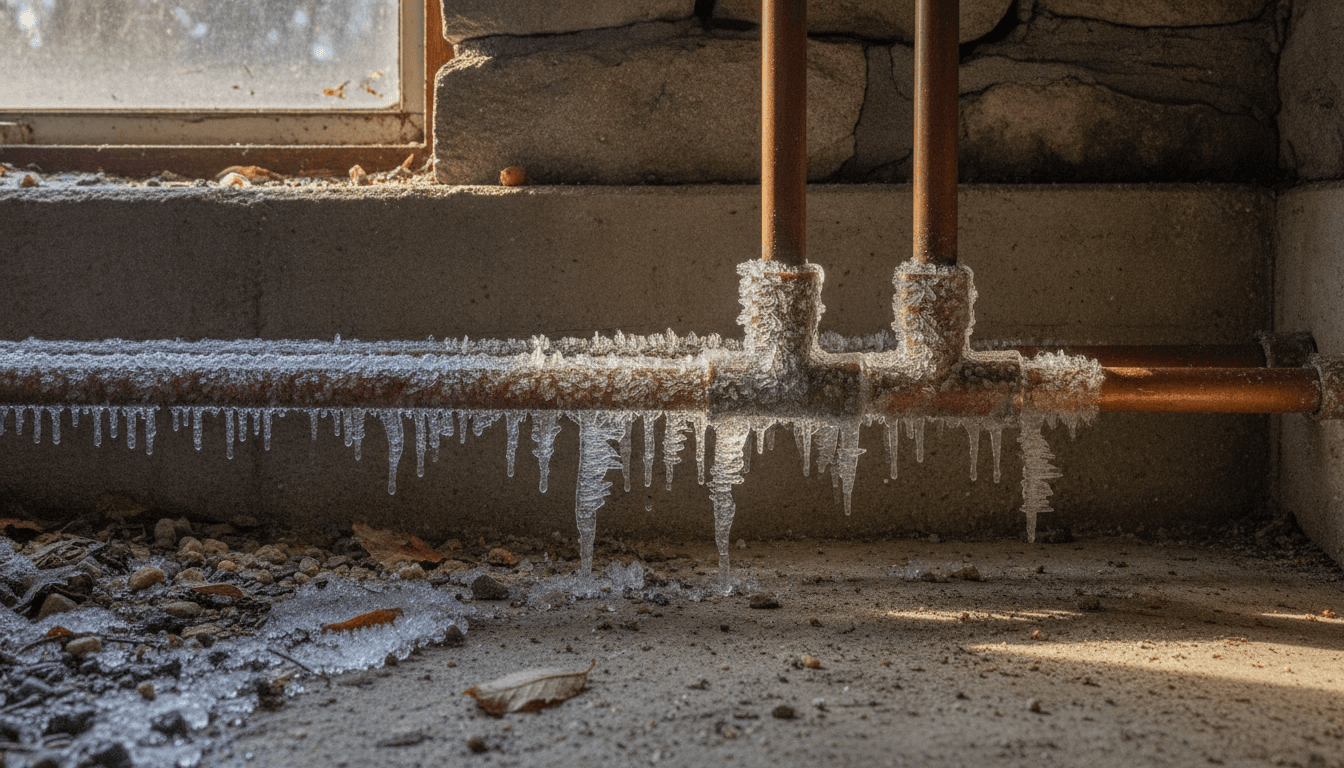
Here's something that catches a lot of New Hampshire homeowners off guard. When the humidity is high and airflow is restricted, the evaporator coil can ice over. An iced coil can't absorb heat, so the air coming out of your vents feels weak or warm even though the unit is running hard.
If you spot ice on the coil or on the refrigerant line, turn the AC off and let it run on "fan only" for a few hours to thaw. Then replace the filter and make sure your vents and returns aren't blocked by furniture or rugs. If it keeps freezing after that, you likely have a deeper airflow or refrigerant issue.
Clean the Outdoor Condenser
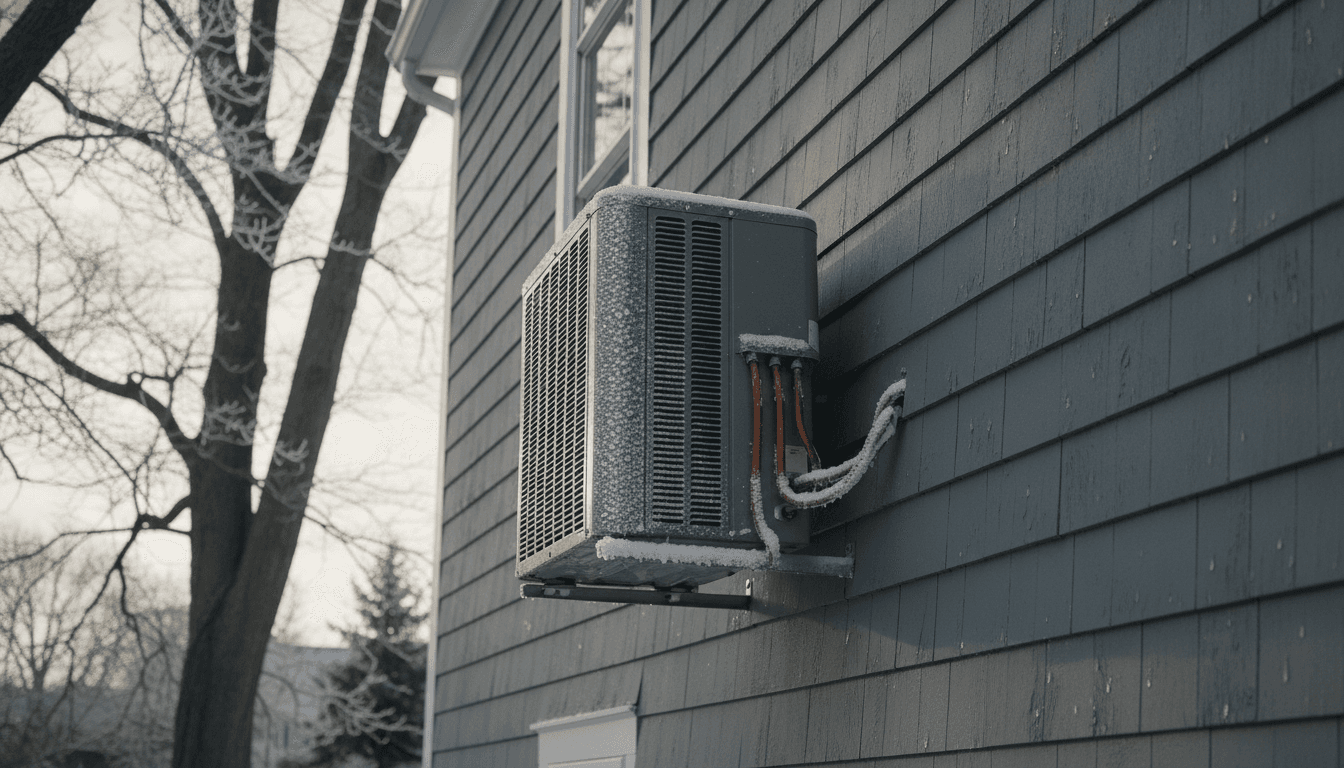
Your outdoor unit dumps the heat your home pulls inside. If it's smothered in grass clippings, leaves, cottonwood fluff, or dirt, it can't release that heat and your cooling suffers.
Shut off power to the unit first. Then gently spray the fins with a garden hose from the inside out, and clear at least two feet of space around all sides. Don't use a pressure washer, since the fins bend easily. A clean condenser makes a real difference on the hottest days.
Low Refrigerant Usually Means a Leak
If your system is well maintained but still blowing warm air, low refrigerant might be the culprit. You might hear a hissing or bubbling sound, or notice ice on the lines again.
This one isn't a DIY job. Refrigerant is regulated, and simply "topping it off" ignores the real problem, which is almost always a leak. A technician needs to find the leak, repair it, and recharge the system to the correct level.
Window Units and Mini-Splits
Not every New Hampshire home runs central air. Plenty of older houses and apartments rely on window units or ductless mini-splits, and they have their own quirks.
For window units, clean or replace the filter, make sure the unit is tilted slightly toward the outside for drainage, and confirm it's sized for the room. A small unit trying to cool a big open space will run forever and never catch up.
For mini-splits, clean the washable filters in each indoor head and gently rinse the outdoor unit. Mini-splits are efficient, but a dirty filter kills their performance fast. If one head cools and another doesn't, that points to a system issue worth a service call.
When to Call a Pro
Some things are worth handling yourself, and some aren't. Call a professional when you run into any of these:
- The breaker keeps tripping after you reset it
- You suspect a refrigerant leak or see repeated icing
- The unit makes grinding, buzzing, or clicking noises
- Air is barely moving even with a clean filter
- The system is over ten to fifteen years old and struggling
A seasonal tune-up from a local heating and HVAC company often catches small problems before a heat wave turns them into an emergency. Booking maintenance in spring, before everyone else is calling, gets you faster service too.
The Takeaway
Most of the time, an AC that won't cool comes down to airflow. Start with the filter, check the thermostat, look at the breaker, and clear off the outdoor condenser. Those four steps fix the majority of summer cooling complaints in New Hampshire homes. If you've worked through them and your house still won't cool, or you're dealing with ice, leaks, or strange noises, don't keep running a struggling system. Get a qualified tech out before the next humid stretch hits, and you'll spend the summer comfortable instead of sweating it out.