Central AC vs Ductless Mini-Split for a New Hampshire Home
Central AC vs mini-split in New Hampshire: ductwork, cold-climate heat pump heating, humidity, rebates, and costs compared for older NH homes.
In This Article
Central AC vs Ductless Mini-Split for a New Hampshire Home
Cooling a home in New Hampshire is a strange problem. We get a handful of genuinely hot, sticky weeks in July and August, then a long stretch of cold that runs from October well into April. So when homeowners start weighing central ac vs mini split systems, the right answer depends less on raw cooling power and more on how your house is built, how cold your winters get, and what you want the system to do the other nine months of the year.
Both options can keep a Manchester colonial or a Keene farmhouse comfortable. They just get there differently. Here is an honest comparison from the perspective of what actually works in this climate.
The Ductwork Question Comes First
The biggest fork in the road is whether your house already has ductwork. Central air pushes cooled air through a network of ducts to vents in each room. If you have a newer home or one that already runs forced hot air, those ducts may already be in place, which makes central AC a natural fit.
The trouble is that a lot of New Hampshire housing stock is old. Plenty of homes were built with radiators, baseboard hot water, or steam heat, and they have no ducts at all. Retrofitting ductwork into a 1900s farmhouse or a tight Cape means opening walls and ceilings, giving up closet space for chases, and spending real money before the cooling equipment even enters the picture.
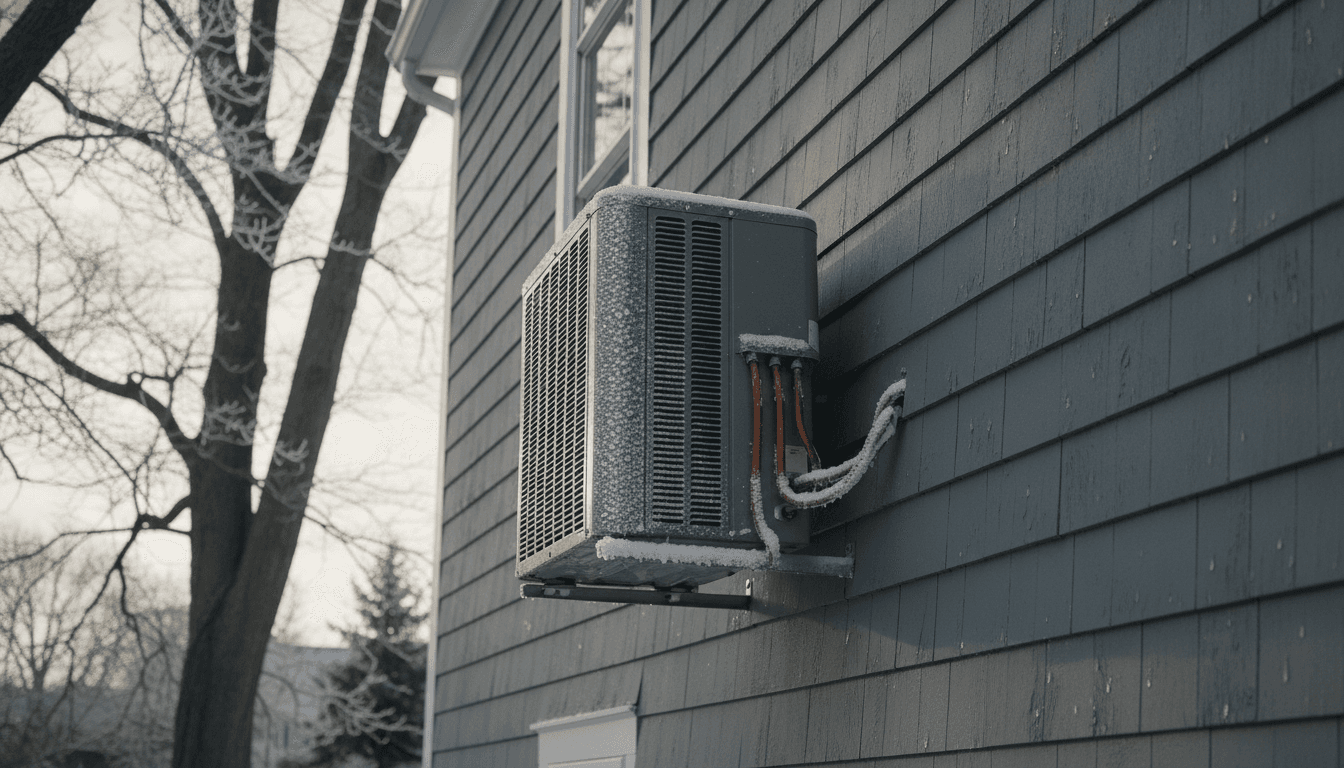
That is exactly where ductless mini-splits shine. A mini-split mounts an indoor head on the wall and connects to an outdoor unit through a small hole, no ducts required. For older homes without ductwork, this is often the difference between a weekend install and a full renovation.
Heating Matters as Much as Cooling
Here is the part people from warmer states miss. In New Hampshire, a cooling decision is really a heating decision too.
Modern ductless mini-splits are cold-climate heat pumps. The good ones keep producing usable heat well below zero, and they run efficiently enough that many homeowners use them as a primary or supplemental heat source through most of the season. You get air conditioning in the summer and a heating system that can take a big bite out of your oil or propane use in the winter, all from the same equipment.
Central AC, by contrast, only cools. If you go that route you still need a separate furnace or boiler for heat. There are central ducted heat pumps that heat and cool, but in older NH homes the ducting problem circles right back around.
So when the comparison is central ac vs mini split, the mini-split often wins on versatility simply because it does two jobs.
Humidity and Comfort
Our summers are not just hot, they are humid. A cooling system that also pulls moisture out of the air makes a real difference in how comfortable a room feels.
Central AC has an edge here for whole-home dehumidification. Because it moves air through the whole duct network, it tends to even out humidity and temperature across every room, including closets, hallways, and finished basements that a wall head might not reach well.
Mini-splits dehumidify effectively in the rooms where the heads live, but a single head cannot condition a room three doors down. This is where honest zoning planning matters. If you want even comfort throughout a larger or chopped-up floor plan, you may need several heads, and the cost climbs with each zone.
Cost, Rebates, and the Long View
Upfront cost depends heavily on your house. In a home that already has good ductwork, central AC can be surprisingly reasonable because the expensive part is already installed. In a home with no ducts, central becomes the pricier path once you add duct fabrication.
Mini-splits carry a moderate per-zone cost. One or two heads is affordable. Whole-home coverage with many heads can rival or exceed a central system, so the number of zones you actually need drives the budget.
Rebates tip the math too. NHSaves, the utility-backed efficiency program in New Hampshire, has historically offered rebates on qualifying cold-climate heat pumps, and federal tax credits have applied to efficient equipment as well. These programs change year to year, so confirm current amounts before you sign anything. A good installer will walk you through what your specific equipment qualifies for.
The Aesthetic and Noise Trade-Offs
Some homeowners simply do not love the look of a wall head. Central AC hides almost entirely, with only discreet vents visible inside. Mini-split heads are visible on the wall, though ceiling cassette and low-wall styles exist if the standard unit bothers you.
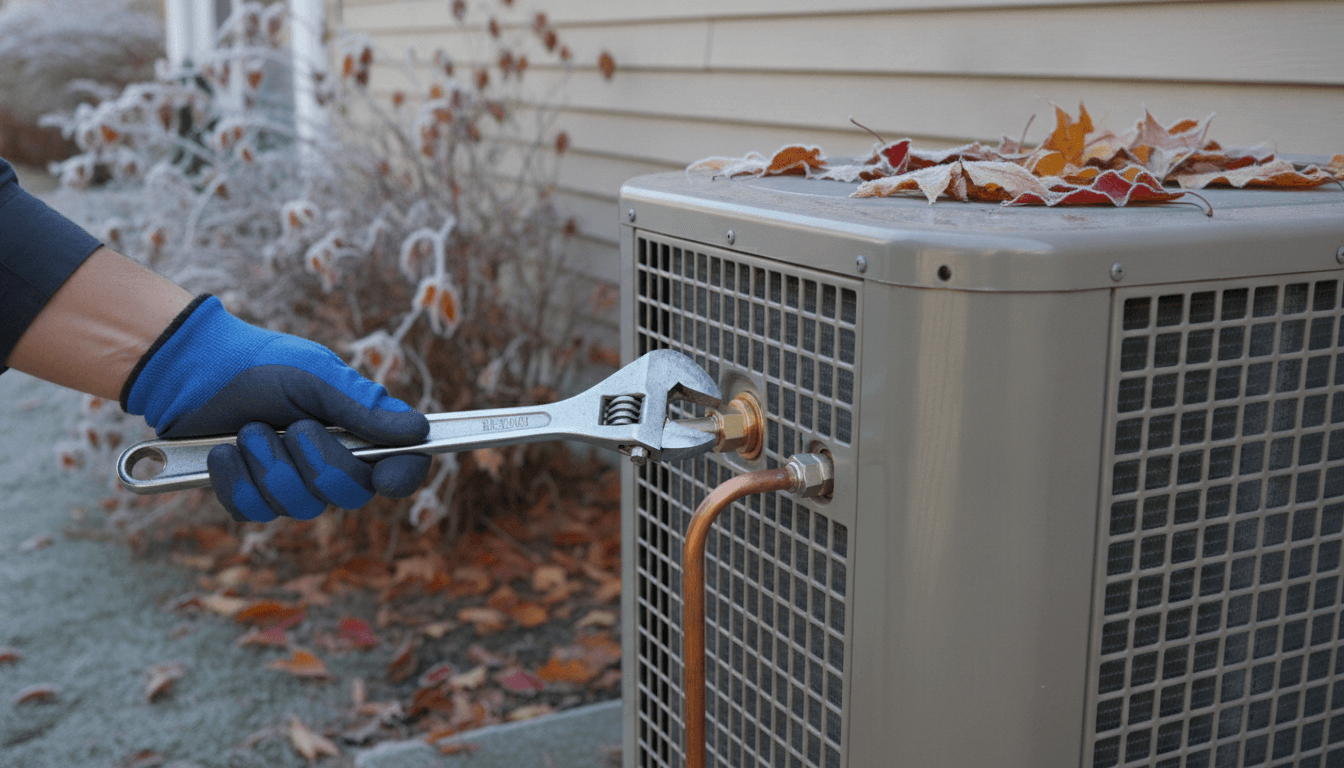
On noise, both systems are quiet indoors compared to older window units. Central AC keeps the loud part outside at the condenser. Mini-splits are whisper quiet at the head, which many people appreciate in bedrooms.
Which One Fits Your House
Lean toward central AC if your home already has ductwork, you want fully hidden equipment, and you value even whole-home humidity control. It is a clean, invisible solution when the infrastructure already exists.
Lean toward a ductless mini-split if your home has no ducts, you want cooling and efficient winter heating from one system, or you only need to condition a few key rooms. For the majority of older New Hampshire homes, the mini-split answers more problems at once.
There is also a middle path. Many homes here end up with a hybrid setup, keeping the existing boiler for deep cold and adding mini-splits for summer cooling and shoulder-season heating. A knowledgeable installer can model what that blend looks like for your square footage and insulation.
The Practical Takeaway
If you already have ducts, price out central AC first. If you do not, start with a ductless mini-split quote, because it likely solves both your summer cooling and part of your winter heating in one shot. Ask about NHSaves and federal rebates before you commit, size the system to your real needs rather than a round number, and choose an installer who is comfortable recommending either option based on your home rather than their inventory.