hvac
How Much Does AC Repair Cost in Concord, NH? 2026 Prices, Mini-Split Fixes, and Contractor Checks
How much does AC repair cost in Concord, NH? See 2026 prices by system type, what drives the bill in older homes, and how to screen a contractor here.
In This Article
- The Line Items on a Concord Repair Invoice
- What Each Type of System Costs to Fix
- Old Houses, No Ducts, and the Retrofit Problem
- A Six-Week Season That Sets the Whole Schedule
- Oil, Propane, and the Heat Pump Math
- When Repairing Stops Making Sense
- Checking a Contractor Where the Trade Has No License
- Frequently Asked Questions
How Much Does AC Repair Cost in Concord, NH? 2026 Prices, Mini-Split Fixes, and Contractor Checks
Repairing an air conditioner in Concord, NH costs $180 to $750 for the vast majority of calls in 2026, with the diagnostic visit accounting for $90 to $170 of that before any part gets replaced. Compressors and inverter boards live above the range. Those quotes usually start a different conversation about whether the equipment is worth keeping.
Cooling season in the Merrimack Valley is short and unforgiving. Concord gets a handful of stretches above 90 degrees between late June and the third week of August, and equipment that idled for nine months gets asked to run flat out with no warm-up. Most breakdowns here happen in the first 48 hours of the first heat wave, which is exactly when every contractor in Merrimack County is booked solid.
What follows covers real repair prices in the Concord area, how the city's older homes shape which equipment you own, and how to check a contractor in a state that never created an HVAC license.
The Line Items on a Concord Repair Invoice
The diagnostic fee runs $90 to $170 during business hours and covers the trip plus the time to find the fault. Roughly half of local companies credit it toward the repair when you approve the work on the spot, and maintenance plan members often pay nothing. That policy is worth confirming before the truck is dispatched.
Straight labor bills at $110 to $190 an hour, but you will rarely see an hourly line on a residential invoice. Common repairs are quoted as flat tasks, which protects you when the part sits somewhere awkward and costs you when the fix takes twenty minutes. Ask for that flat number in writing before anyone starts.
The largest single premium on the bill comes from timing. A call placed after 5 p.m., on a Sunday, or on a holiday adds $150 to $350, and some companies simply bill the whole ticket at time and a half. In the middle of a July heat wave with a three-day backlog, that money buys a place in line rather than better work.
What Each Type of System Costs to Fix
Concord homes run three different kinds of cooling, and the equipment you own determines your price list more than the symptom does. A homeowner with a ductless system and a neighbor with central air get very different quotes for the same complaint of warm air.
Parts availability plays into it too. Common central air components sit on every truck in the state, while a proprietary inverter board for a specific mini-split brand can take a week to arrive. Ask about lead time as soon as a technician names the part, because a two-day wait in August is a different problem than a two-week one.
Ductless Mini-Splits
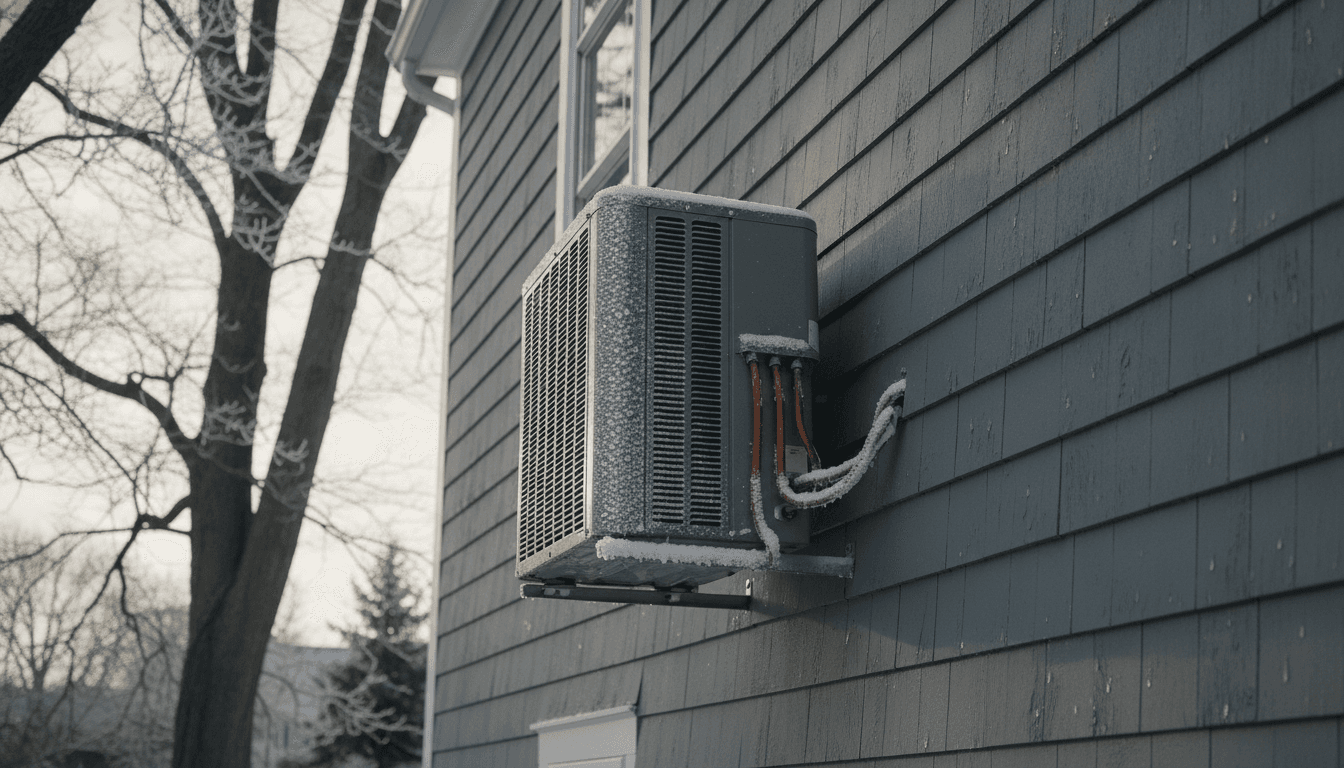
Mini-splits dominate retrofit cooling around Concord, and their failures are more electronic than mechanical. An inverter or control board replacement runs $500 to $1,200 installed, a failed indoor fan motor lands at $350 to $700, and a deep cleaning of a moldy indoor head costs $250 to $600. That cleaning is the most common call of the three and gets skipped until the unit starts to smell.
Refrigerant work on ductless equipment costs more than most owners expect. Line set leaks at flare connections are the usual culprit, and a proper leak search with a recharge runs $350 to $950. A technician who adds refrigerant without pressure testing the flares has sold you next summer's repair.
Central Air and Ducted Heat Pumps
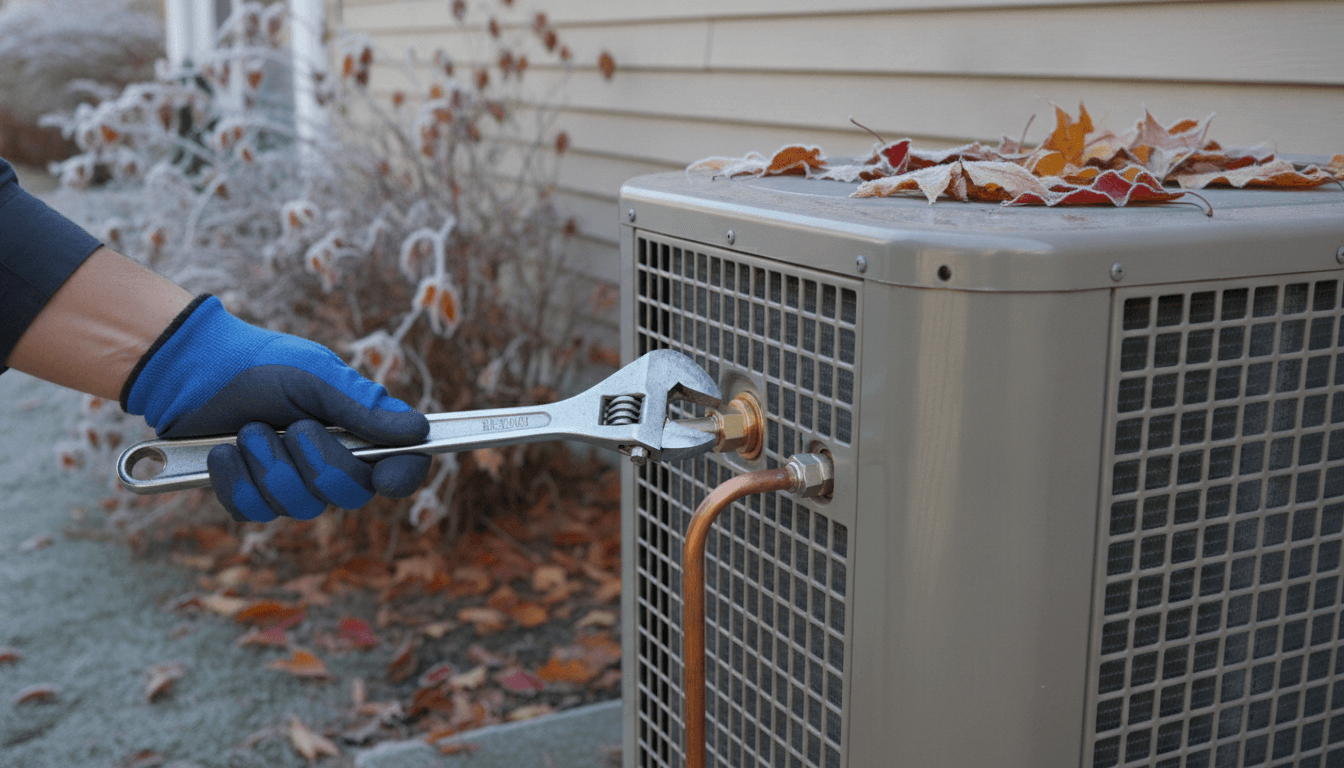
Conventional systems fail in familiar places. Control boards run $400 to $950 and condenser fan motors $350 to $800, while the two cheapest offenders, a run capacitor at $175 to $450 and a contactor at $160 to $360, account for a large share of the calls. Those four parts cover most repairs that finish under $1,000 here.
Compressor replacement is the expensive outcome at $1,400 to $3,100 with labor. Evaporator coil replacement sits close behind at $1,000 to $2,600. Before agreeing to either, pull the model and serial number off the equipment and confirm whether a ten-year parts warranty is still in force, since that single check can cut the bill to labor alone.
Window and Portable Units
Plenty of Concord households still cool one or two rooms with window units, and a service call rarely makes sense on them. A replacement unit costs $180 to $600, which is less than the diagnostic fee plus a part on most repairs.
The exception is a through-the-wall sleeve unit built into an older apartment or a converted multifamily. Those cost $700 to $1,600 to replace and are worth a repair attempt when the fault is a fan motor or a control switch.
Old Houses, No Ducts, and the Retrofit Problem
Concord's residential inventory skews old, from the 19th century homes west of Main Street to the postwar capes and ranches scattered through East Concord and Penacook. Almost none of it was built with ductwork, because oil and propane boilers with baseboard or radiators heated these houses for generations. Adding cooling means working around that history.
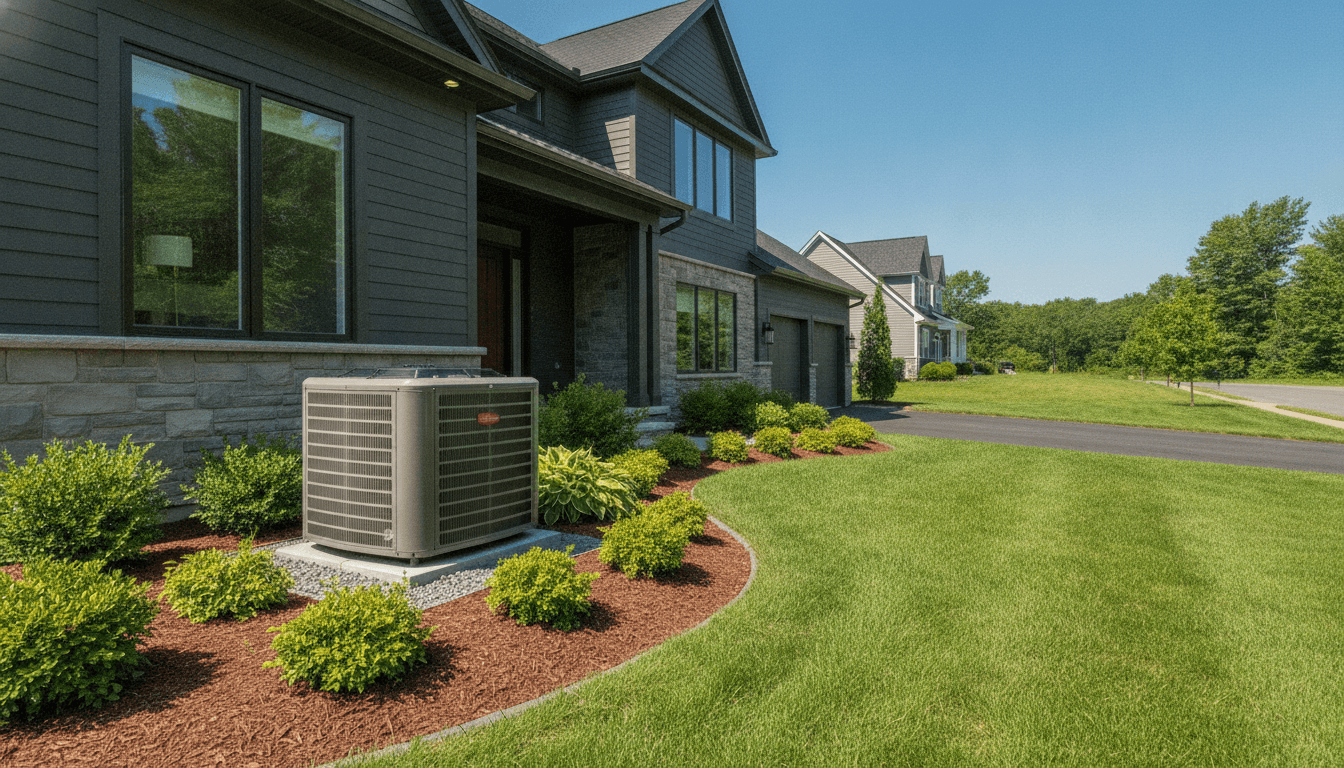
Ductless heads mounted high on exterior walls have become the standard answer, and the equipment now covers heating in the same box. Newer construction on the Heights and in the outlying subdivisions came with forced hot air, which makes a central AC coil a straightforward addition. Two houses a mile apart can therefore have completely different repair economics.
Where the equipment lives matters as much as what it is. Crawlspace and knee-wall installations in these houses put a technician on his back with a flashlight for the first hour of every visit, and that hour is billable. Two bids on the same repair can differ by $200 purely on how each company prices getting to the part.
A Six-Week Season That Sets the Whole Schedule
Air conditioning in central New Hampshire works a light schedule, maybe 600 to 900 hours across a year, against several thousand for the same model in the Carolinas. Low runtime is why condensers here regularly reach 15 to 20 years. It is also why a weak capacitor or a slow refrigerant leak stays invisible from October to June and then takes the house down on the hottest Friday of the summer.
A spring tune-up is the antidote and costs $110 to $250 in the Concord area. The technician measures capacitor readings, refrigerant pressures, and amp draw, and a weak component found in May becomes a scheduled appointment instead of a Saturday emergency. Many companies bundle it with a heating check for one annual fee.
Scheduling non-urgent work in the shoulder months saves money outright. Late April through early June and all of September are when calendars open up and replacement quotes get competitive. Contractors sitting idle in October will negotiate in ways they never will in July.
Oil, Propane, and the Heat Pump Math
Most Concord homes still burn oil or propane for winter heat, and that changes the repair-or-replace calculation in a way it does not change in a gas-heated city. A cold-climate heat pump installed for cooling also displaces part of the heating season, so the equipment earns its keep for nine months instead of six. That shifts the comparison whenever aging cooling gear needs a big repair.
A single-zone ductless install lands at $4,500 to $7,500 here. Whole-house multi-zone systems reach $12,000 to $20,000, and swapping a central AC condenser and coil where good ductwork already exists costs $7,500 to $13,000. Qualifying heat pump work draws utility incentives through the NHSaves program plus a federal tax credit, and together they can pull several thousand dollars off those figures.
Get every incentive written into the proposal rather than described on the phone. Program amounts change between funding cycles, and a verbal promise from a salesperson is worth nothing when the paperwork gets filed three months later.
When Repairing Stops Making Sense
Compare the repair quote to what a replacement would cost. Once a single repair passes about a third of the installed price of new equipment, and the system is past the ten-year mark, the money does more good in a new system carrying a fresh ten-year parts warranty. A $600 fan motor on a seven-year-old condenser is an easy yes by that standard, while a $2,400 compressor on a fourteen-year-old unit is not.
Repair history counts as much as the current quote. Two service calls in the past three summers with a third one pending is a pattern, and patterns in mechanical equipment do not reverse themselves. Add up what you have spent since 2023 before deciding.
Refrigerant type is the third trigger. R-410A filled nearly everything installed between 2010 and 2024, and the federal phasedown has been pushing its per-pound price up every season while new equipment arrives charged with R-454B. Paying for a large recharge on a system that will need another one costs more than most homeowners expect.
Checking a Contractor Where the Trade Has No License
Heating and cooling contractors are not a licensed trade in New Hampshire. Electricians, plumbers, and gas fitters answer to state boards, and nothing comparable exists for the company installing your condenser. There is no license number to look up, which means the homeowner does the screening that a state agency handles elsewhere.
Three things fill that gap. Federal rules require an EPA 608 certification for anyone who opens a refrigerant circuit, so ask which type the assigned technician holds. Ask the insurance agency, not the salesperson, to send you the liability and workers' compensation certificates, and check the business name against the New Hampshire Secretary of State registry while you wait.
Permits for equipment replacement come from the Concord code enforcement office, and the contractor should be the one filing. Any new electrical circuit for an outdoor unit or a mini-split falls to a licensed electrician under state law, so ask who is doing that portion. Written quotes on every job over about $1,000 should name the equipment model, the labor warranty term, the permit fee, and the exact rebate being claimed.
Comparing several HVAC companies serving the Concord area on an identical scope is the fastest way to see which bid is the outlier. For seasonal maintenance advice and more local pricing breakdowns, browse our New Hampshire home cost guides.
Frequently Asked Questions
What does an AC service call cost in Concord, NH?
The diagnostic visit runs $90 to $170 during business hours, and about half of local companies apply it toward the repair if you approve the work the same day. Evening, weekend, and holiday calls add $150 to $350 on top.
Why do mini-split repairs cost more than central AC repairs?
The electronics carry the price. An inverter board runs $500 to $1,200 and is often brand-specific, which means a shop without that part on hand waits days for delivery while your house sits warm.
Does New Hampshire license HVAC contractors?
No, and that surprises people moving up from Massachusetts, where refrigeration technicians carry a state license. Screening here means checking EPA 608 certification, insurance certificates sent by the agency, and a business registration with the Secretary of State.
When is the cheapest time to book AC work in Concord?
September and October, followed by late April through early June. Demand drops off, appointments open within days instead of weeks, and installation pricing gets meaningfully more competitive than it is during an August heat wave.
How long should an air conditioner last in central New Hampshire?
Fifteen to twenty years is realistic for a central condenser given how few hours it runs each summer, and ductless heads that also handle winter heating tend to land closer to 12 to 15. Annual maintenance is what separates the two ends of those ranges.