Summer Home
New Hampshire Summer Home Maintenance Checklist (2026)
A practical New Hampshire summer home maintenance checklist covering AC, gutters, roofs, ticks, decks, and damp basements before the next heat wave.
In This Article
New Hampshire Summer Home Maintenance Checklist (2026)
Summer in New Hampshire is short, so the window to handle outdoor projects and beat the heat is tight. Between humid heat waves rolling through Manchester and Nashua, afternoon thunderstorms in the Lakes Region, and ticks taking over the yard, your house takes a beating from June through September. This summer home maintenance checklist walks through what actually matters for a New Hampshire home, in the order most people should tackle it.
Work through it once now, and you will avoid the scramble when the next heat wave or storm hits.
Get Your Cooling Sorted Before the First Heat Wave
A lot of older New Hampshire homes, especially the colonials and capes around the Seacoast and downtown Manchester, never had central AC. That means window units and ductless heat pumps do the heavy lifting.
For window units, pull them out, wash the filters, and check the foam seals before you reinstall. A clogged filter makes the unit work harder and run up your bill. If a unit smells musty when it kicks on, the coils need cleaning or the drain pan is holding water.
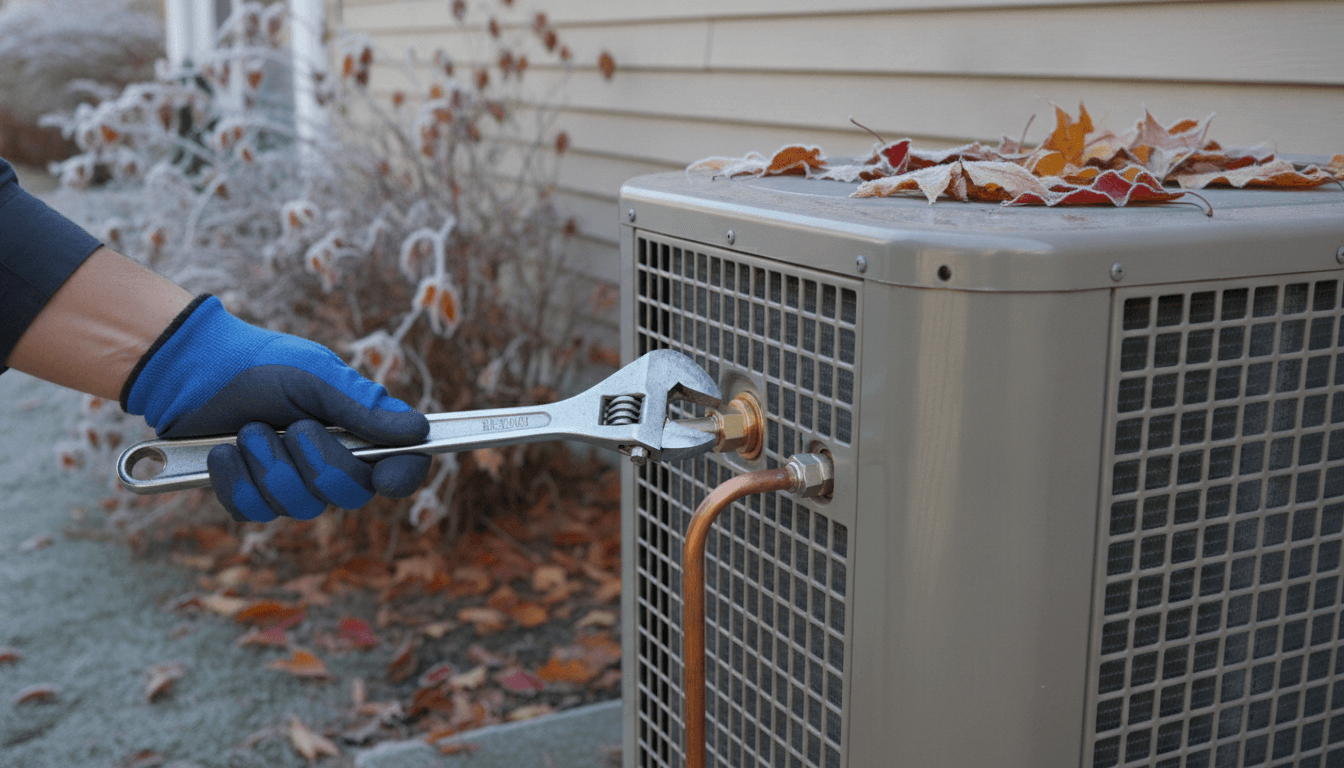
If you run a heat pump for cooling, swap or rinse the filters and clear leaves and grass clippings away from the outdoor condenser. Heat pumps are now the most common upgrade for homes without ductwork, and a quick spring tune-up keeps them efficient all season. If yours is short-cycling, icing up, or just not keeping up, get heating and HVAC pros out before July, when every shop in the state is booked solid.
Clear Gutters and Check the Roof
Spring drops a load of pollen, seeds, and maple debris into your gutters. When a summer thunderstorm dumps an inch of rain in twenty minutes, clogged gutters send water straight down your foundation or behind the fascia.
Clean them out, then run a hose to confirm water actually reaches the downspouts and drains away from the house. Point extensions at least a few feet from the foundation.
While you are up there, look at the roof. Winter ice and wind loosen shingles, and you want to catch problems before fall storms make them worse. If you see curled shingles, granules piling up in the gutters, or any daylight in the attic, call a roofer for a look. A small repair now is far cheaper than a leak that finds your ceiling in October.
Take Back the Yard From Ticks and Pests
New Hampshire has a real tick problem, and summer is peak season. Keep grass cut short, clear leaf litter along stone walls and wood lines, and put a gravel or mulch buffer between the lawn and any woods. Ticks hate dry, sunny, open ground.
Move woodpiles off the ground and away from the house so you are not inviting mice and carpenter ants. Knock down wasp and hornet nests early in the season while they are small, around eaves, decks, and grill areas. Standing water in clogged gutters, old buckets, and saucers under planters breeds mosquitoes, so dump anything holding water after each storm.
Wash, Inspect, and Seal the Deck
Decks take a hard hit from New Hampshire winters, and summer is the only sane time to fix them.
Walk the whole surface and press on boards near the ground and around the ledger where the deck meets the house. Soft or spongy spots mean rot. Check that the ledger flashing is intact, since a failing ledger connection is how decks pull away from houses.
Give it a wash, let it dry for a couple of dry days, then reseal or stain if water soaks in instead of beading up. Tighten any railings that wobble. If you grill on the deck, sweep grease buildup off the boards under and around the grill.
Check the Exterior and Foundation
Walk the outside of the house on a sunny day. Look at the siding, trim, and any spots where paint is peeling or wood is exposed. Bare wood going into another humid summer invites rot and carpenter ants.
Scrape and touch up exterior caulk around windows and doors. Humid Seacoast air and Lakes Region storms find every gap. Check the foundation for new cracks and make sure the soil slopes away from the house so rainwater runs off instead of pooling against it.
Don't Forget the Basement
Humidity is the summer enemy down here. New Hampshire basements get damp and musty fast once the dew points climb in July and August.
Run a dehumidifier and aim for around 50 percent humidity to keep mold and that basement smell in check. Empty the tank or confirm the drain hose is clear. If you have a sump pump, pour a bucket of water in the pit to make sure it kicks on, since summer storms are exactly when you need it working.
Service the Stuff You Actually Use in Summer
A few quick ones people forget. Test your lawn mower and trimmer, and sharpen the mower blade so you are cutting grass cleanly instead of shredding it. Check outdoor faucets and hoses for leaks. Clean the dryer vent where it exits the house, since a clogged vent is both an efficiency drain and a fire risk. Replace batteries in smoke and carbon monoxide detectors if you skipped it in spring.
The Practical Takeaway
You do not have to do all of this in one weekend. Start with cooling and gutters, because those are the two that bite hardest during a July heat wave or a sudden thunderstorm. Knock out the yard and deck work on the next stretch of dry weather, and handle the basement and exterior whenever you have an hour. Tackle a couple of items at a time, and by the time fall rolls into the Lakes Region and the Seacoast, your house will be in good shape and you will not be paying emergency rates to fix what you could have caught in June.